The Best Vlogging Camera for Every Budget
From a pocket gimbal that never needs a tripod to a full interchangeable-lens setup, here is the right vlogging camera for each budget and style.
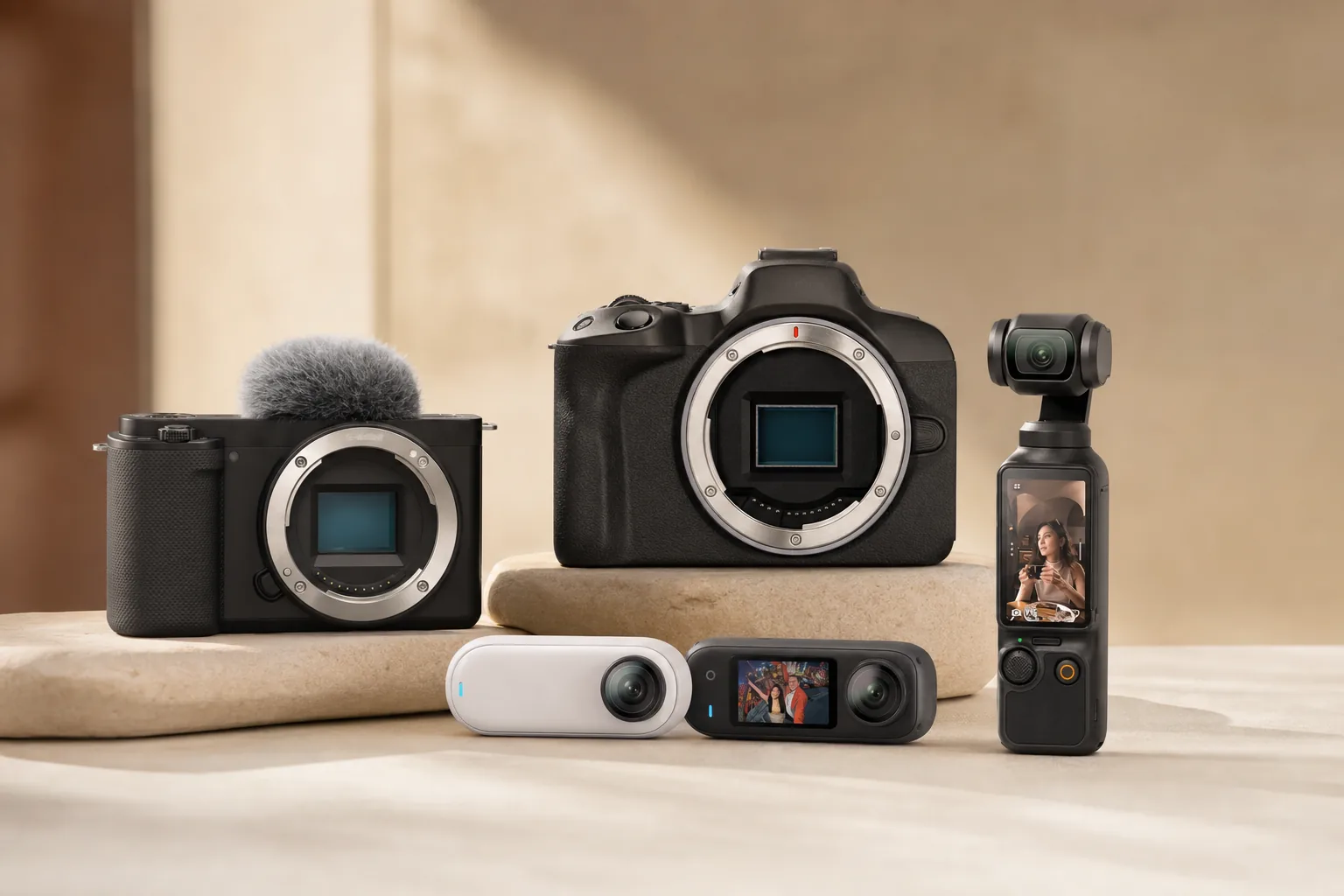
The best vlogging camera for most people is a pocket gimbal camera — because it stabilizes your footage automatically, fits in a pocket, and removes almost every reason a new creator gives up on posting. But “best” depends on whether you walk and talk, sit at a desk, film action, or want cinematic quality. This guide sorts the top picks by how you actually shoot.
Before we get into picks: megapixels barely matter for vlogging. What matters is a flip screen you can see yourself on, autofocus that tracks your face, stabilization good enough for handheld walking, and audio that doesn’t embarrass you. Start there.
Best all-in-one gimbal: the easiest way to start
If you want one device that just works, a pocket gimbal is the answer. A built-in motorized gimbal physically stabilizes the camera — so even walk-and-talk footage looks smooth without any editing or technique. The screen faces you. The autofocus tracks your face. Nothing to assemble, nothing to manage.
The reference camera in this class packs a 1-inch sensor — far larger than a phone or typical action cam — into a pocket-sized stabilized body. It’s the default recommendation for new vloggers and travelers:
In our catalog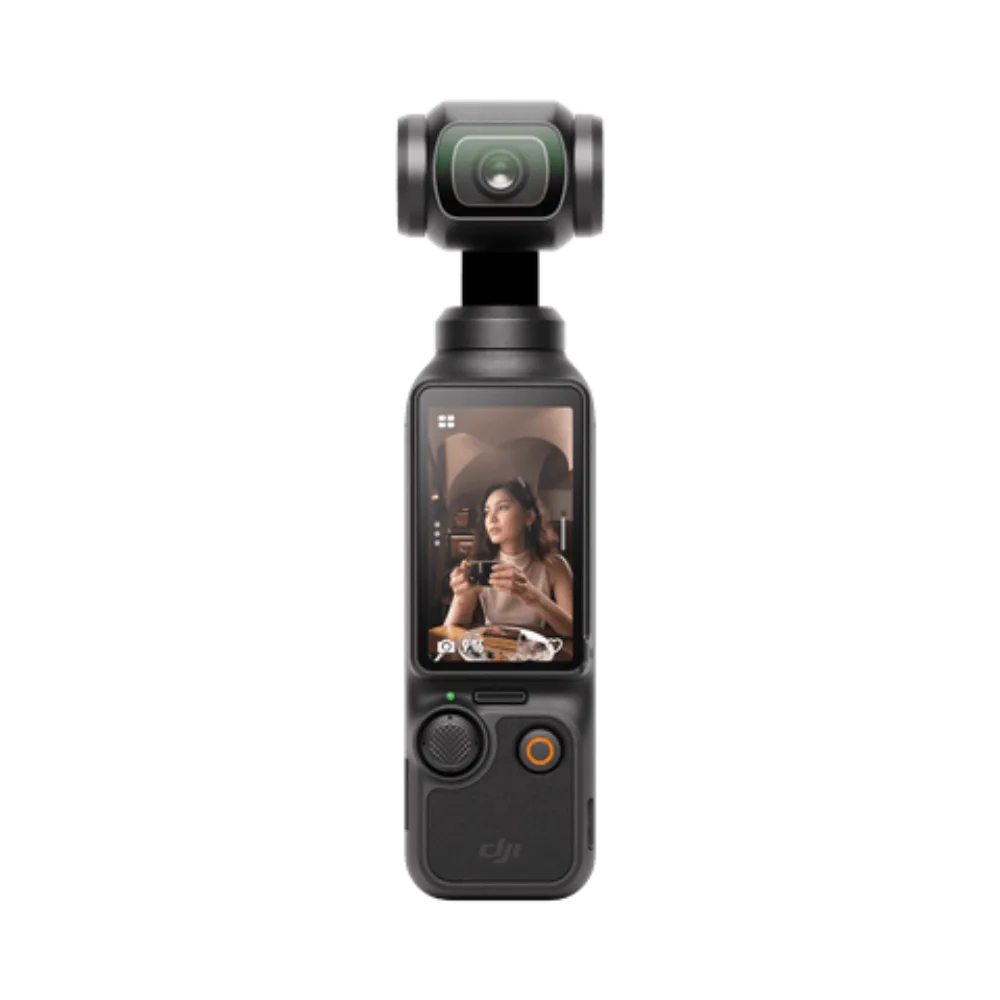 DJI · 1-inch · ActionDJI Osmo Pocket 3from $379See price comparison →
This is the pick if you want the lowest-friction path to good-looking video. For a direct comparison with the next-level pocket gimbal option, see our Insta360 Luna Ultra vs DJI Osmo Pocket 3 breakdown.
Best interchangeable-lens vlogging camera: room to grow
When you want the shallow, cinematic look that only a large sensor and a fast lens deliver — or when you’ve simply outgrown a fixed lens — an entry mirrorless camera is the move. Large APS-C sensor, fully articulating screen, mic input, and the ability to change lenses as your needs evolve.
The creator-focused, budget-friendly APS-C body that defined this category, built specifically for vloggers:
In our catalog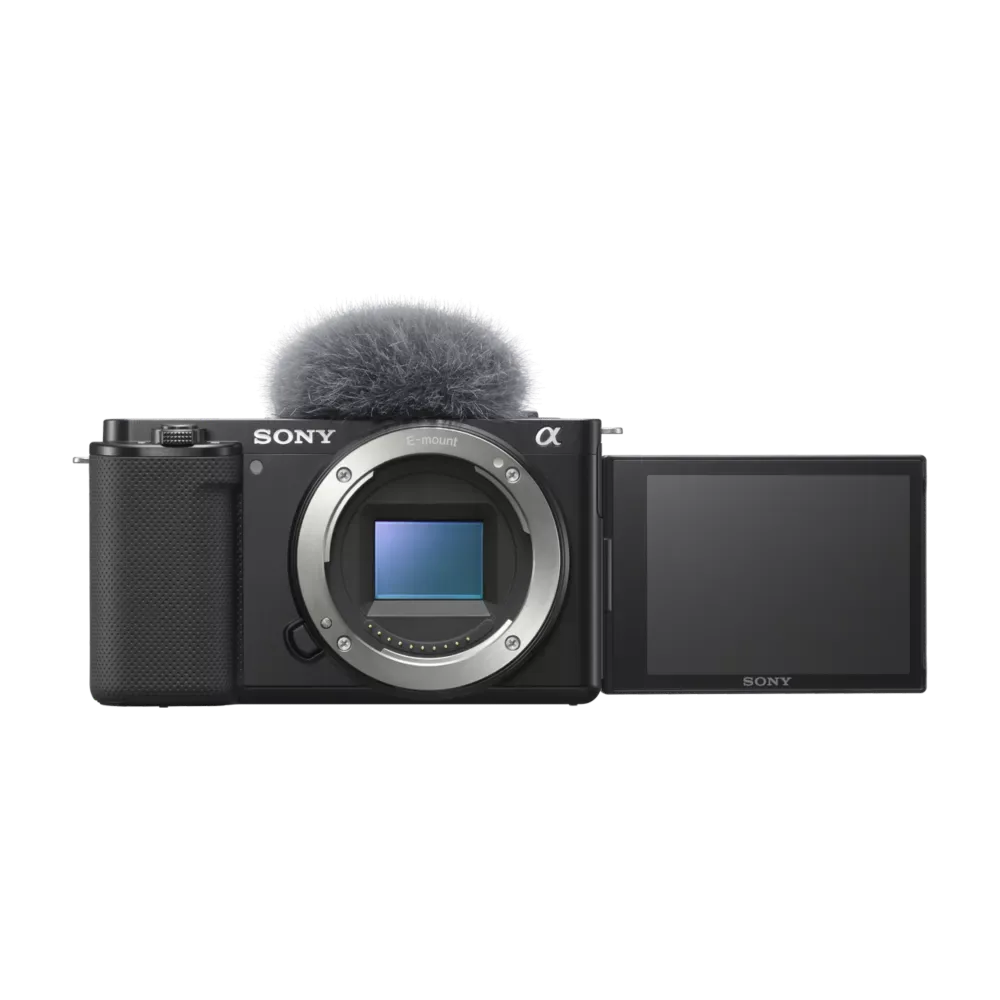 Sony · APS-C · MirrorlessSony ZV-E10from $610See price comparison →
A close alternative from Canon — a tiny APS-C mirrorless body that handles photos just as seriously as video, ideal if you want both:
In our catalog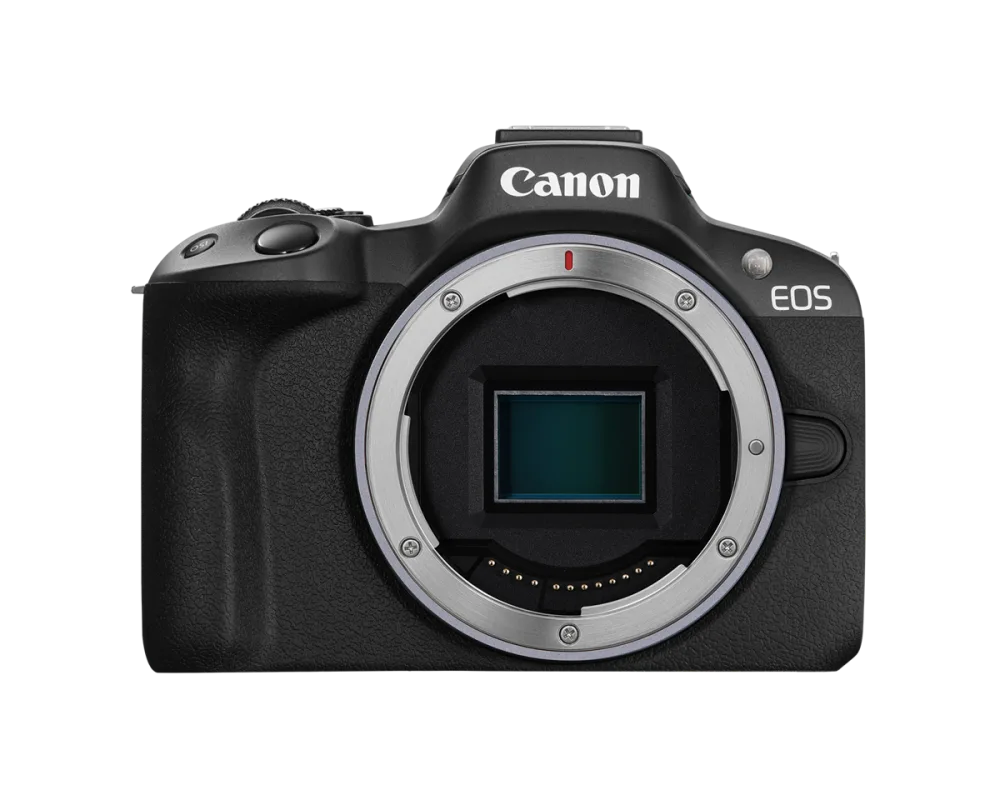 Canon · APS-C · MirrorlessCanon EOS R50$600See price comparison →
Not sure which to get? We compare them in Canon R50 vs Sony ZV-E10. Debating whether to step up to the newer sensor? Sony ZV-E10 vs ZV-E10 II covers that upgrade decision. And if you’re not sure whether you need interchangeable lenses at all, start with point-and-shoot vs mirrorless.
Best for action and adventure: rugged and 360-ready
If your vlogs involve biking, hiking, water, skiing, or anything that puts a normal camera at risk, an action camera is purpose-built for it: small, rugged, waterproof, and stabilized for high-motion footage.
Our pick here captures 360 degrees at once, so you can reframe the shot in editing instead of missing it because you were aimed wrong:
In our catalog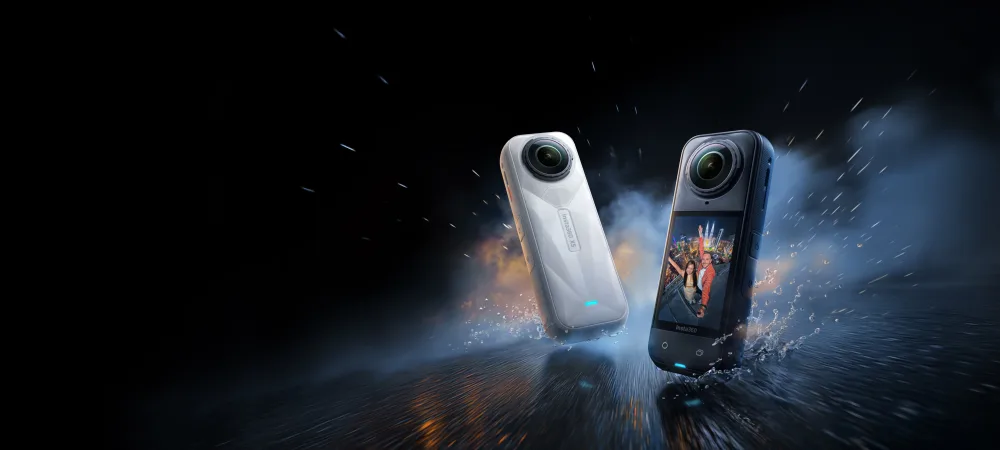 Insta360 · Compact sensor · ActionInsta360 X5from $485See price comparison →
This is the camera for adventure creators and anyone who wants invisible-selfie-stick shots or creative reframing. For walk-and-talk vlogs on a stable surface, the gimbal pick above will look better. For action, nothing beats a rugged 360 cam.
Best premium / desk and studio pick: cleanest fixed-lens image
If you record sitting down — tutorials, reviews, talking-head content — and you want the best possible image without managing a bag of lenses, a large-sensor vlogging compact is the sweet spot. Better image quality than a 1-inch camera, without the complexity of interchangeable lenses.
Our premium pick is a vlog-focused compact built around a larger-than-1-inch sensor, with a creator-friendly flip screen and strong autofocus, aimed squarely at serious creators:
In our catalog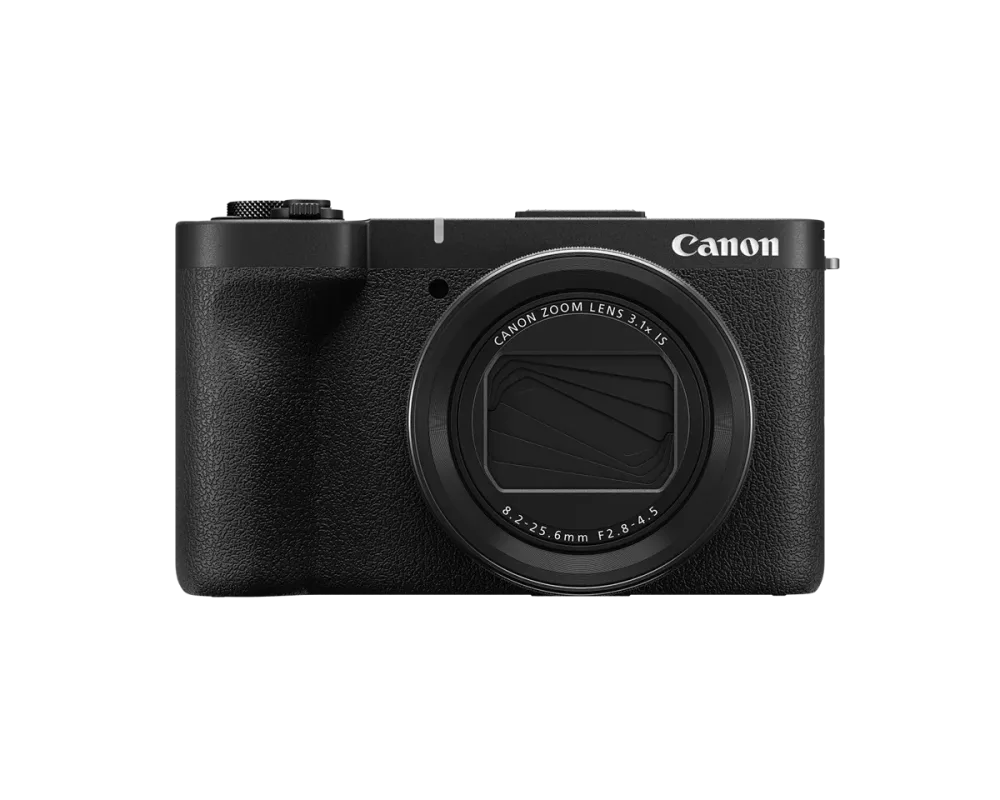 Canon · 1.4-inch · CompactCanon PowerShot V1$695See price comparison →
This is the camera for anyone who’s outgrown a phone and a pocket gimbal but doesn’t want the cost or complexity of a full mirrorless system.
How to choose the right vlogging camera
| You mostly shoot | Best pick | Why |
|---|---|---|
| Walk-and-talk, travel, daily vlogs | All-in-one pocket gimbal | Auto-stabilized, pocketable, zero setup |
| Cinematic video, mixed photo and video | Entry mirrorless | Big sensor, swappable lenses, room to grow |
| Biking, water sports, action | Action / 360 cam | Rugged, waterproof, motion-ready |
| Desk, tutorials, talking-head | Large-sensor compact | Best fixed-lens image quality, simple |
A few rules that save beginners money
- Stabilization beats resolution. Smooth 1080p looks more professional than shaky 4K. A gimbal or strong in-body stabilization matters more than megapixels.
- Audio is half of video. Viewers forgive soft footage. They don’t forgive bad sound. Get a camera with a mic input or excellent built-in mics if you talk on camera.
- The flip screen is non-negotiable. If you can’t see yourself, you’ll be off-frame constantly. Every pick on this list has one.
- Buy the simplest camera that fits your style. An over-bought mirrorless kit that intimidates you is worse than a pocket gimbal you actually use.
Bottom line
For most new vloggers, the all-in-one pocket gimbal is the best vlogging camera, full stop — it removes the friction that stops people from posting. Step up to entry mirrorless when you want cinematic quality and room to grow. Reach for an action or 360 cam when your shoots get rugged. Choose a large-sensor compact when you record at a desk and want the best fixed-lens image. Pick by how you actually shoot, and buy the simplest camera that covers it.
Find the camera worth buying
We track real live prices and link you straight to the best deal — no fake discounts.